Electrical Energy Calculator
Calculate electricity use from power and duration, or constant DC voltage and current. Compare energy use over different operating times in watt-hours, kilowatt-hours and joules.
Open tool
Interactive conversion is unavailable until JavaScript loads. The formulas and worked examples below remain available.
Convert dB ratios and absolute dBm, dBV, dBu, power and RMS voltage levels with clear reference and load assumptions.
Choose Absolute level for dBm, dBV, dBu, watts or RMS voltage. Enter a value and select the source and target units.
When converting between power and voltage, enter a positive load resistance in ohms. The calculation assumes RMS voltage across a purely resistive load.
Choose Ratio to convert dB to a multiplier or a multiplier to dB. Select Power or Voltage so the calculator uses the correct logarithmic factor.
Read the result and its reference or resistance assumption. The graph uses a logarithmic vertical scale; equal decibel steps correspond to equal multiplicative changes.
Swap reverses a valid conversion without rounding the internal value. Copy includes the units, mode and assumptions. Fit value changes the graph view; Reset clears inputs and restores the starting calculation and units.
A decibel expresses a ratio on a logarithmic scale. A power ratio uses ten times the base-10 logarithm. A voltage ratio uses twenty times the logarithm; relating it to power gain assumes equal resistive impedances.
The suffix identifies the reference. dBm compares power with one milliwatt; dBV compares RMS voltage with one volt. This tool uses the conventional 0.775V RMS reference for dBu.
A dBu reference is a voltage reference and does not itself require a 600Ω load. The historical one-milliwatt-in-600Ω value is approximately 0.7745966692V, slightly below the conventional 0.775V used here.
Power and voltage are related by the load. For an RMS voltage across a resistor, power equals voltage squared divided by resistance. A complex load requires more information than this converter accepts.
Zero power or voltage has no finite logarithmic level. Negative dBm, dBV or dBu means a positive signal below its reference, not negative power or negative RMS voltage. A zero-decibel ratio means a multiplier of one.
Power ratio: dB = 10 log10(P2/P1)
Voltage ratio: dB = 20 log10(V2/V1)
Inverse ratios: power ratio = 10^(dB/10); voltage ratio = 10^(dB/20)
dBm: dBm = 10 log10(P/0.001 W)
dBV: dBV = 20 log10(Vrms/1 V)
Conventional dBu: dBu = 20 log10(Vrms/0.775 V)
Resistive load: P = Vrms²/R; Vrms = sqrt(P R)
0 dBm: 1 mW. This level is the dBm reference, not zero power.
30 dBm: 1 W. A 30dB increase is a power multiplier of 1000.
0 dBm into 50Ω: 0.2236067977 V RMS. Square root of 0.001W × 50Ω.
0 dBV: 1 V RMS; approximately 2.213965950 dBu. dBV and conventional dBu use different voltage references.
+4 dBu: 1.228292224 V RMS. Multiply 0.775V by 10^(4/20).
Power ratio 2; voltage ratio 2: 3.010299957dB; 6.020599913dB. Different logarithmic factors describe different ratios.
0 V RMS to dBV: No finite logarithmic level. Zero linear input is not 0dBV.
Analog Devices: VRMS, dBm, dBu and dBV reference definitions
Analog Devices: Logarithmic amplifiers explained
Analog Devices glossary: decibel ratios and equal impedances
Available now
Calculate electricity use from power and duration, or constant DC voltage and current. Compare energy use over different operating times in watt-hours, kilowatt-hours and joules.
Open tool →Available now
Add up to 20 resistors in series using Ω, kΩ or MΩ for circuit analysis and electricity calculations, with a diagram and running total.
Open tool →Available now
Convert absolute temperatures between Celsius, Fahrenheit and kelvin.
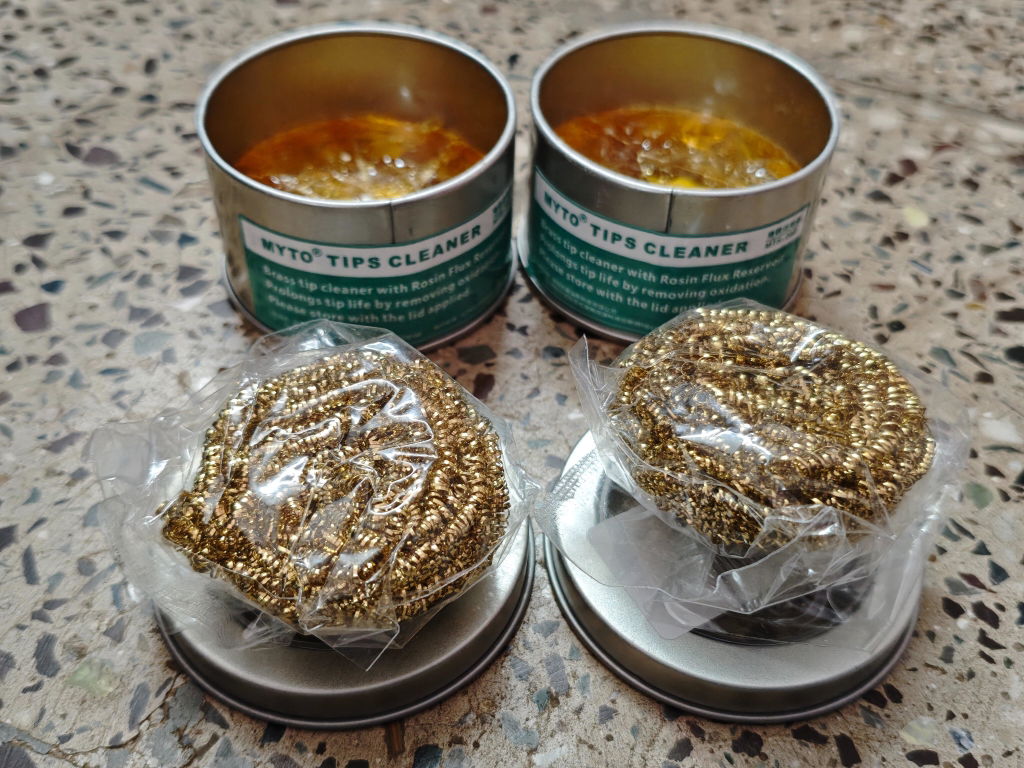
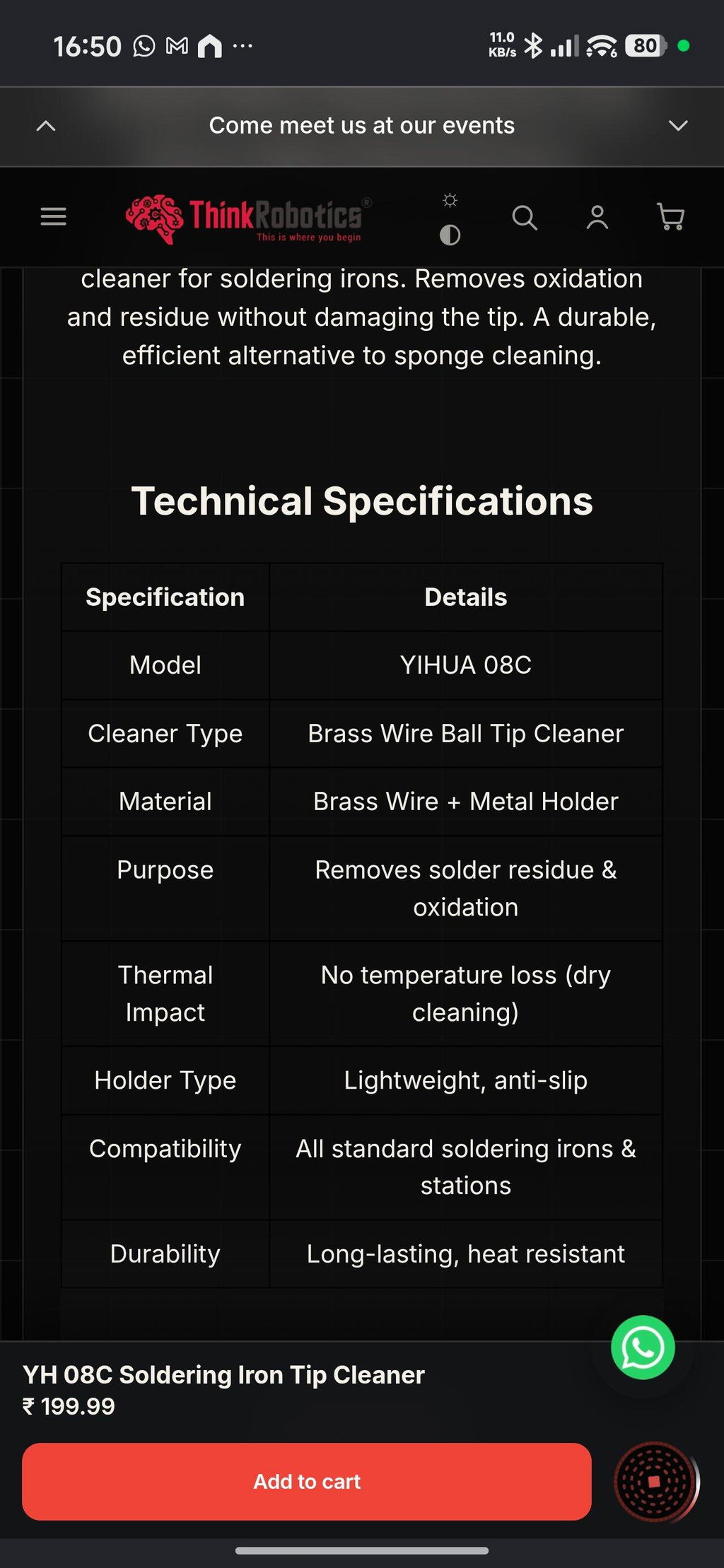
Open tool →Given the fact that this was my first purchase and I made it thinking I was buying genuine Yihua products, this has been a setback. I received a lesser known OEM brand called MYTO and while both the products seem to be similar from appearance, my real contention is the quality and quantity of the brass wool. On top of that not informing the customer about the unavailability of the Yihua product and instead sending a product from a different brand is also antagonising. Henceforth, I might just have to think twice before ordering from ThinkRobotics.
TOF MINIF Range Sensor - UART TOF Time-of-Flight Laser Range Sensor
We are disappointed with our recent order experience. We clearly communicated our requirement for 433 MHz antennas on WhatsApp, but the issue remains unresolved. We have been following up for more than 10 days and are still waiting for a proper refund resolution.
As a regular B2B customer, we expected better support. This experience has affected our trust in ThinkRobotics, and we may have to consider other suppliers for future purchases. We request a fair and prompt refund.
Anodised Aluminium Cup Head Washers (Pack of 10)