Best seller

Waveshare

MAX-M8Q GNSS HAT for Raspberry Pi, Multi-constellation Receiver Support, GPS, Beidou, Galileo, GLONASS

SKU: WVSH0016

₹ 3,349.99

Out of stock

šŸ“¦ Min order 1
Chat with us on WhatsApp We reply quickly! Contact Us
ā± This is a pre-order item. We'll ship it as soon as it's back in stock.
MAX-M8Q GNSS HAT for Raspberry Pi, Multi-constellation Receiver Support, GPS, Beidou, Galileo, GLONASS₹ 3,349.99
Ask AI about this product

MAX-M8Q GNSS HAT

GNSS Module Based On MAX-M8Q For Raspberry Pi

Accurate & Fast Positioning With Minor Drifting, Low Power Consumption, Outstanding Ability For Anti-Spoofing & Anti-Jamming
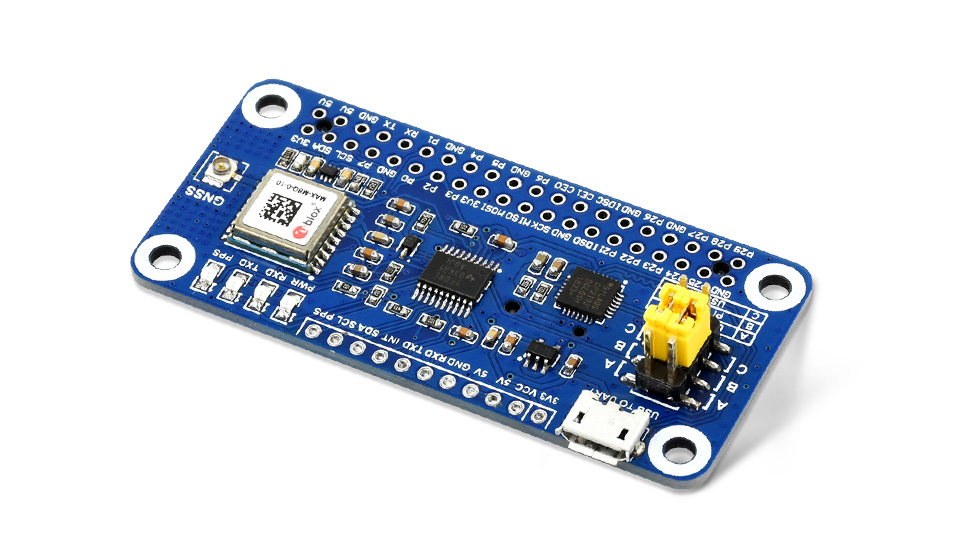
This is a Raspberry Pi GNSS HAT based on MAX-M8Q with multi-constellation receiver support, which means up to 3 types of GNSS satellite systems can be used together, including GPS, Beidou, Galileo, and GLONASS. It also support augment systems like SBAS, QZSS, IMES, and D-GPS. It features accurate & fast positioning with minor drifting, low power consumption, outstanding ability for anti-spoofing & anti-jamming, and so on.Ā 

By simply attaching it onto the Pi, it is fairly easy to enable GNSS capability for your Raspberry Pi.Ā  Ā 

Ā 

Features:

  • Multi-constellation receiver support, concurrent reception of up to 3 types of GNSS satellite systems from GPS, Beidou, Galileo, and GLONASS, and still retains low power consumption
  • Augment systems support, including SBAS, QZSS, IMES, D-GPS, improving the positioning performance of service location
  • A-GNSS (Assisted GNSS) support, reducing the first positioning time when powered up, improving the acquisition sensitivity
  • Features -167dBm navigating sensitivity and outstanding ability for anti-spoofing & anti-jamming, supports geo-fencing
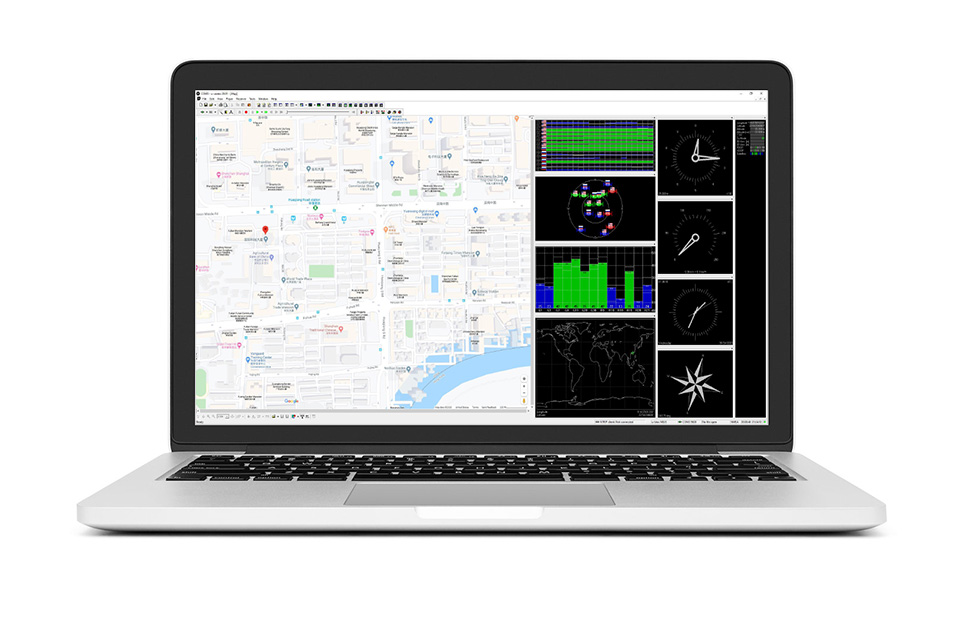
  • Supports U-Center, an easy way to config the module
  • Standard Raspberry Pi 40PIN GPIO extension header, supports Raspberry Pi series boards, Jetson Nano
  • Onboard USB TO UART converter CP2102 for serial debugging
  • Breakouts the module's UART and I2C interface, for connecting with host boards like Arduino/STM32
  • Baudrate range: 4800~921600bps (9600bps by default)
  • Supports DDC (I2C compliant) interface: up to 400KHz (max)
  • Onboard battery holder, supports ML1220 rechargeable cell, for preserving ephemeris information and hot starts
  • 4x LEDs for indicating the module operating status
  • Comes with development resources and manual (examples for Raspberry Pi/Jetson Nano/Arduino/STM32)

Ā 

Specifications

GNSS SPECIFICATIONS
MAX-M8Q GPS & GLONASS GPS GLONASS BeiDou Galileo
Frequency band 72x u-blox M8 engine channels
GPS L1C/A, SBAS L1C/A, QZSS L1C/A, QZSS L1 SAIF,
GLONASS L1OF, BeiDou B1I, Galileo E1B/C
Horizontal positioning accuracy 2.5m CEP 2.5m CEP 4.0m CEP 3.0m CEP -
Max navigation update rate 10Hz 18Hz 18Hz 18Hz 18Hz
Time-To-First-Fix Cold starts 26s 29s 30s 34s 45s
Hot starts 1s 1s 1s 1s 1s
Aided starts 2s 2s 2s 3s 7s
Sensitivity Tracking and navigating -167 dBm -166 dBm -166 dBm -160 dBm -159 dBm
Re-acquisition -160 dBm -160 dBm -156 dBm -157 dBm -153 dBm
Cold starts -148 dBm -148 dBm -145 dBm -143 dBm -138 dBm
Hot starts -157 dBm -157 dBm -156 dBm -155 dBm -151 dBm
PPS accuracy RMS 30ns 30ns 30ns 30ns 30ns
99% 60ns 60ns 60ns 60ns 60ns
PPS frequency 0.25Hz…10MHz (configurable)
Velocity accuracy 0.05m/s
Heading accuracy 0.3 degree
Operational limits Acceleration (max): 4g
Altitude (max): 50000m
Velocity (max): 500m/s
OTHER SPECIFICATIONS
Communication interface UART (4800~921600bps, 9600bps by default), I2C (max 400KHz)
Update rate 1Hz (default), 18Hz (max)
Protocol NMEA 0183 Version 4.0 (V2.1, V2.3 or V4.1 selectable), UBX, RTCM 2.3
Power supply 5V
Overall current <40mA@5V (Continue mode)
Module current 23mA@3V (Continue mode, tracking status)
Operating temperature -40ā„ƒ ~ 85ā„ƒ
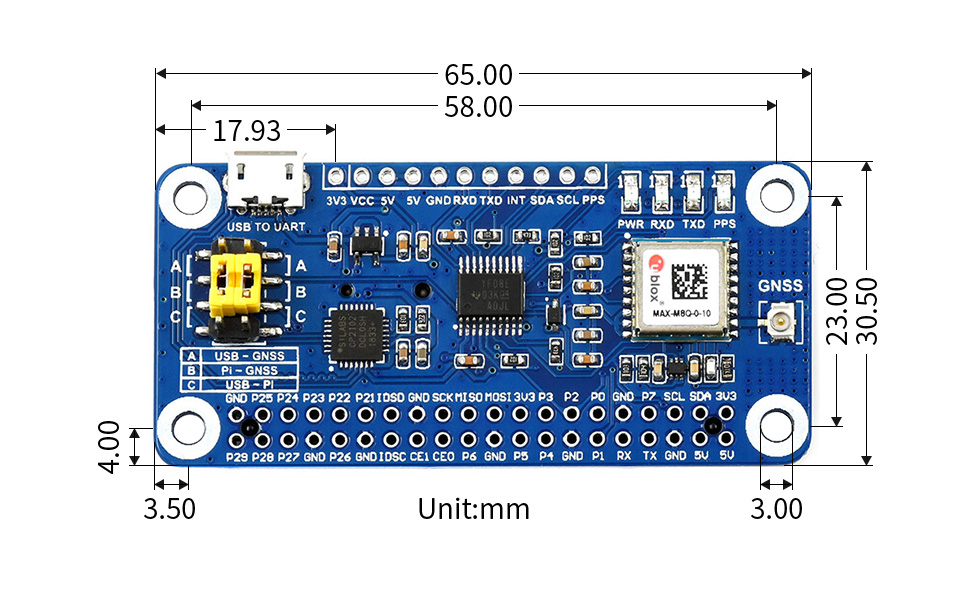
Dimensions 65mm Ɨ 30.5mm

Ā 

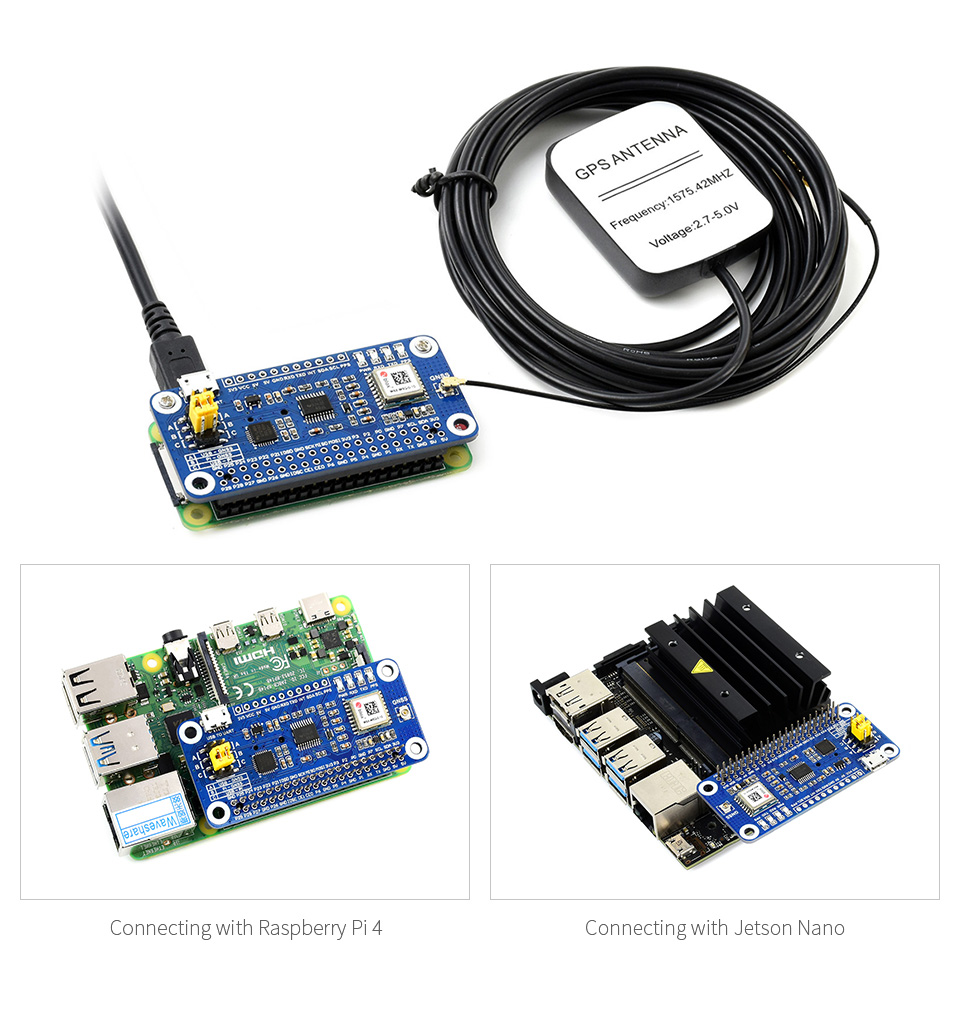
Standard Raspberry Pi 40PIN GPIO

Compatible With Raspberry Pi Series Boards, Jetson Nano
Ā 

Multi-Constellation Receiver Support

Concurrent Reception Of Up To 3 Types Of GNSS Satellite Systems, And Still Retains Low Power Consumption

Supports GPS, Beidou, Galileo, And GLONASS

Ā 

Augment Systems Support

Augment System Is Aimed At Improving The Accuracy, Completeness, Reliability, And Availability Of Positioning And Navigation

Supports Augment Systems Including SBAS, QZSS, IMES, D-GPS

Ā 

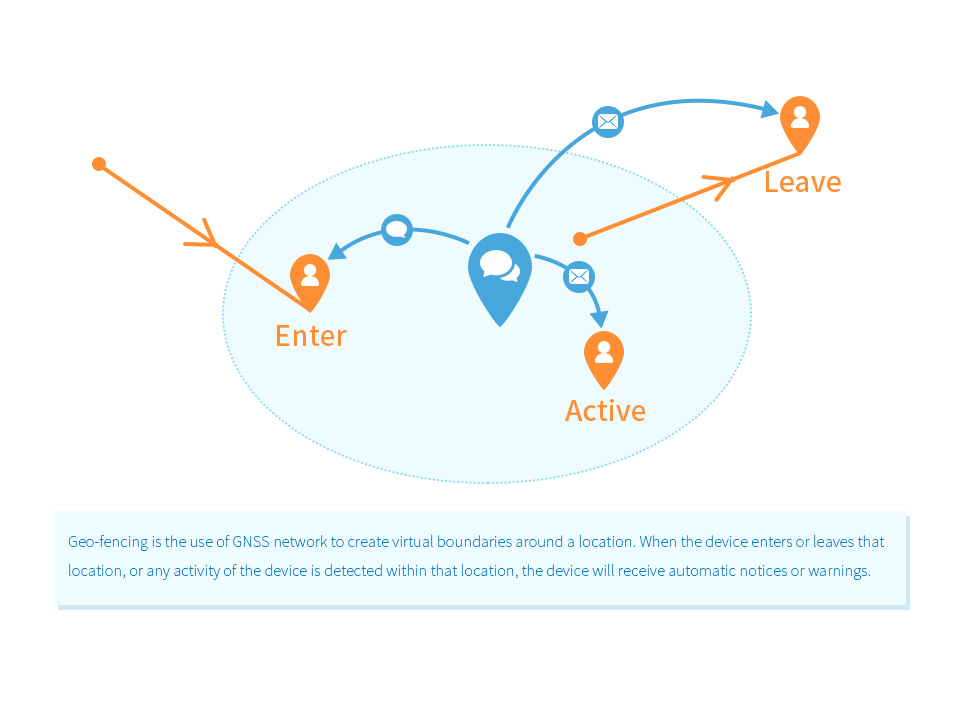
Geo-Fencing Support

Features -167dBm Navigating Sensitivity, Outstanding Ability For Anti-Spoofing & Anti-Jamming
Ā 

Software U-Center Support

An Easy Way To Config The Module

Ā 

Applications

Ideal For Fleet Management, Asset Tracking, Security Systems, Industrial PDA, GIS App, Etc.

Ā 

What's On Board

  1. MAX-M8Q module
  2. TXS0108EPWR voltage translator
  3. RT9193-33 power chip
  4. CP2102 USB TO UART converter
  5. Status indicators
    RXD/TXD: UART TX/RX indicator
    PPS: GPS status indicator
    PWR: power indicator
  6. Battery holder
    supports ML1220 rechargeable cell, for preserving ephemeris information and hot starts
  7. Raspberry Pi GPIO header
    for connecting with Raspberry Pi
  8. UART, I2C interface
    for connecting with other MCUs
  9. USB TO UART port
  10. GNSS antenna connector
  11. UART selection jumper
    A: control the MAX-M8Q through USB TO UART
    B: control the MAX-M8Q through Raspberry Pi
    C: access Raspberry Pi through USB TO UART

Ā 

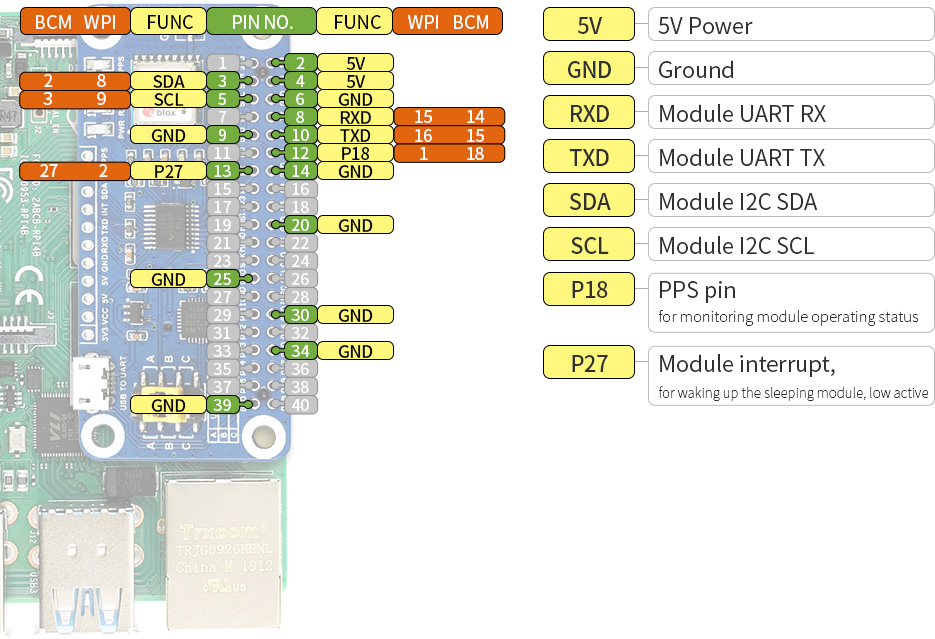
Pinout Definition

Ā 

Dimensions

Ā 

Resources

WIKI: www.waveshare.com/wiki/MAX-M8Q_GNSS_HAT

Ā 

Package Contents:

Weight: 0.132 kg

  1. MAX-M8Q GNSS HAT x1
  2. GPS External Antenna (B)Ā x1
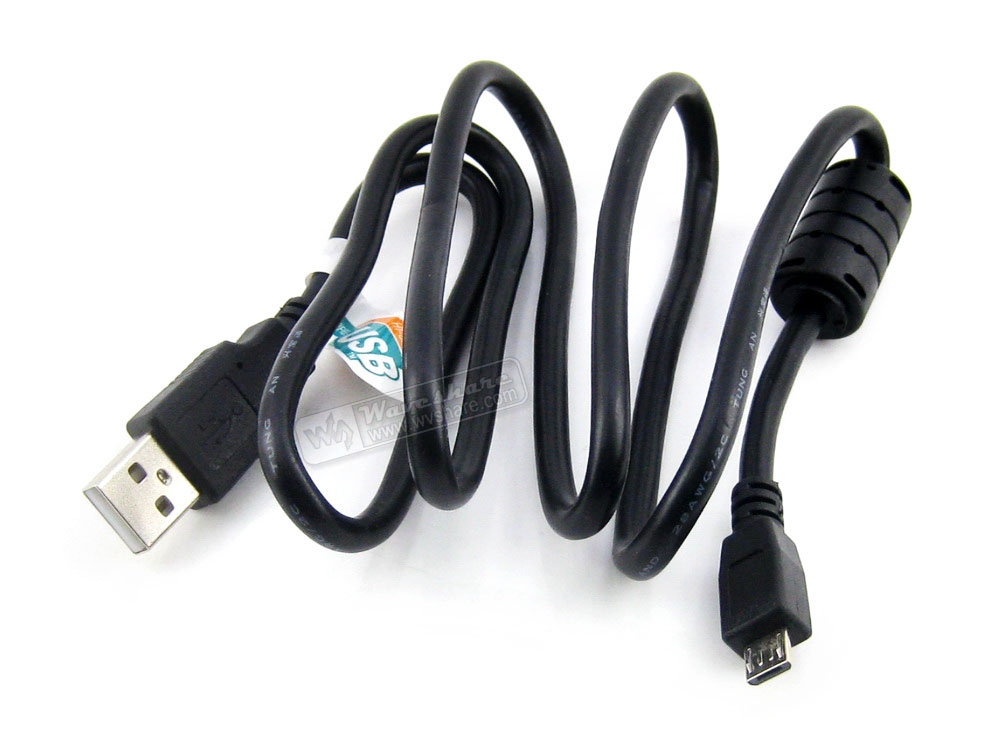
  3. USB-A to Micro-B cable x1
  4. RPi screws pack (2pcs) x1
  5. 2x20PIN female header x1
12345
How do I install and connect this GNSS HAT with a Raspberry Pi?
Attach the HAT to the Raspberry Pi 40 pin GPIO header. It supports UART and I2C interfaces and includes a CP2102 USB to UART converter for debugging. Use the A, B, or C jumper to select whether you control via USB TO UART, via Raspberry Pi, or access Raspberry Pi via USB TO UART.
Which GNSS constellations are supported and can they be used together?
The module supports multi constellation reception with concurrent reception of up to 3 GNSS types from GPS, Beidou, Galileo and GLONASS. Augment systems such as SBAS, QZSS, IMES and D GPS are also supported.
What interfaces and power requirements should I expect?
The device uses UART and I2C interfaces with a 5V supply and total current under 40 mA at 5V. UART baud rates range from 4800 to 921600 bps (9600 by default) and I2C up to 400 kHz. It includes a USB to UART converter for debugging and a battery holder for ephemeris storage.
What is the performance like in terms of sensitivity and update rate?
The unit features high sensitivity down to around -167 dBm for tracking and navigation and supports an update rate up to 18 Hz. It provides strong anti spoofing and anti jamming capabilities and uses PPS timing with nanosecond scale accuracy.
What is included in the package and is it compatible with other boards?
Package contents include the MAX-M8Q GNSS HAT, a GPS external antenna, USB A to Micro B cable, Raspberry Pi screws pack, and 2x20 pin header. It is compatible with Raspberry Pi series boards and Jetson Nano, and comes with development resources and a manual.
Add Post

For more discussion Click Here

Fill out the form below and our team will get back to you with bulk pricing.

Description
Ask AI about this product

MAX-M8Q GNSS HAT

GNSS Module Based On MAX-M8Q For Raspberry Pi

Accurate & Fast Positioning With Minor Drifting, Low Power Consumption, Outstanding Ability For Anti-Spoofing & Anti-Jamming

This is a Raspberry Pi GNSS HAT based on MAX-M8Q with multi-constellation receiver support, which means up to 3 types of GNSS satellite systems can be used together, including GPS, Beidou, Galileo, and GLONASS. It also support augment systems like SBAS, QZSS, IMES, and D-GPS. It features accurate & fast positioning with minor drifting, low power consumption, outstanding ability for anti-spoofing & anti-jamming, and so on.Ā 

By simply attaching it onto the Pi, it is fairly easy to enable GNSS capability for your Raspberry Pi.Ā  Ā 

Ā 

Features:

  • Multi-constellation receiver support, concurrent reception of up to 3 types of GNSS satellite systems from GPS, Beidou, Galileo, and GLONASS, and still retains low power consumption
  • Augment systems support, including SBAS, QZSS, IMES, D-GPS, improving the positioning performance of service location
  • A-GNSS (Assisted GNSS) support, reducing the first positioning time when powered up, improving the acquisition sensitivity
  • Features -167dBm navigating sensitivity and outstanding ability for anti-spoofing & anti-jamming, supports geo-fencing
  • Supports U-Center, an easy way to config the module
  • Standard Raspberry Pi 40PIN GPIO extension header, supports Raspberry Pi series boards, Jetson Nano
  • Onboard USB TO UART converter CP2102 for serial debugging
  • Breakouts the module's UART and I2C interface, for connecting with host boards like Arduino/STM32
  • Baudrate range: 4800~921600bps (9600bps by default)
  • Supports DDC (I2C compliant) interface: up to 400KHz (max)
  • Onboard battery holder, supports ML1220 rechargeable cell, for preserving ephemeris information and hot starts
  • 4x LEDs for indicating the module operating status
  • Comes with development resources and manual (examples for Raspberry Pi/Jetson Nano/Arduino/STM32)

Ā 

Specifications

GNSS SPECIFICATIONS
MAX-M8Q GPS & GLONASS GPS GLONASS BeiDou Galileo
Frequency band 72x u-blox M8 engine channels
GPS L1C/A, SBAS L1C/A, QZSS L1C/A, QZSS L1 SAIF,
GLONASS L1OF, BeiDou B1I, Galileo E1B/C
Horizontal positioning accuracy 2.5m CEP 2.5m CEP 4.0m CEP 3.0m CEP -
Max navigation update rate 10Hz 18Hz 18Hz 18Hz 18Hz
Time-To-First-Fix Cold starts 26s 29s 30s 34s 45s
Hot starts 1s 1s 1s 1s 1s
Aided starts 2s 2s 2s 3s 7s
Sensitivity Tracking and navigating -167 dBm -166 dBm -166 dBm -160 dBm -159 dBm
Re-acquisition -160 dBm -160 dBm -156 dBm -157 dBm -153 dBm
Cold starts -148 dBm -148 dBm -145 dBm -143 dBm -138 dBm
Hot starts -157 dBm -157 dBm -156 dBm -155 dBm -151 dBm
PPS accuracy RMS 30ns 30ns 30ns 30ns 30ns
99% 60ns 60ns 60ns 60ns 60ns
PPS frequency 0.25Hz…10MHz (configurable)
Velocity accuracy 0.05m/s
Heading accuracy 0.3 degree
Operational limits Acceleration (max): 4g
Altitude (max): 50000m
Velocity (max): 500m/s
OTHER SPECIFICATIONS
Communication interface UART (4800~921600bps, 9600bps by default), I2C (max 400KHz)
Update rate 1Hz (default), 18Hz (max)
Protocol NMEA 0183 Version 4.0 (V2.1, V2.3 or V4.1 selectable), UBX, RTCM 2.3
Power supply 5V
Overall current <40mA@5V (Continue mode)
Module current 23mA@3V (Continue mode, tracking status)
Operating temperature -40ā„ƒ ~ 85ā„ƒ
Dimensions 65mm Ɨ 30.5mm

Ā 

Standard Raspberry Pi 40PIN GPIO

Compatible With Raspberry Pi Series Boards, Jetson Nano

Ā 

Multi-Constellation Receiver Support

Concurrent Reception Of Up To 3 Types Of GNSS Satellite Systems, And Still Retains Low Power Consumption

Supports GPS, Beidou, Galileo, And GLONASS

Ā 

Augment Systems Support

Augment System Is Aimed At Improving The Accuracy, Completeness, Reliability, And Availability Of Positioning And Navigation

Supports Augment Systems Including SBAS, QZSS, IMES, D-GPS

Ā 

Geo-Fencing Support

Features -167dBm Navigating Sensitivity, Outstanding Ability For Anti-Spoofing & Anti-Jamming

Ā 

Software U-Center Support

An Easy Way To Config The Module

Ā 

Applications

Ideal For Fleet Management, Asset Tracking, Security Systems, Industrial PDA, GIS App, Etc.
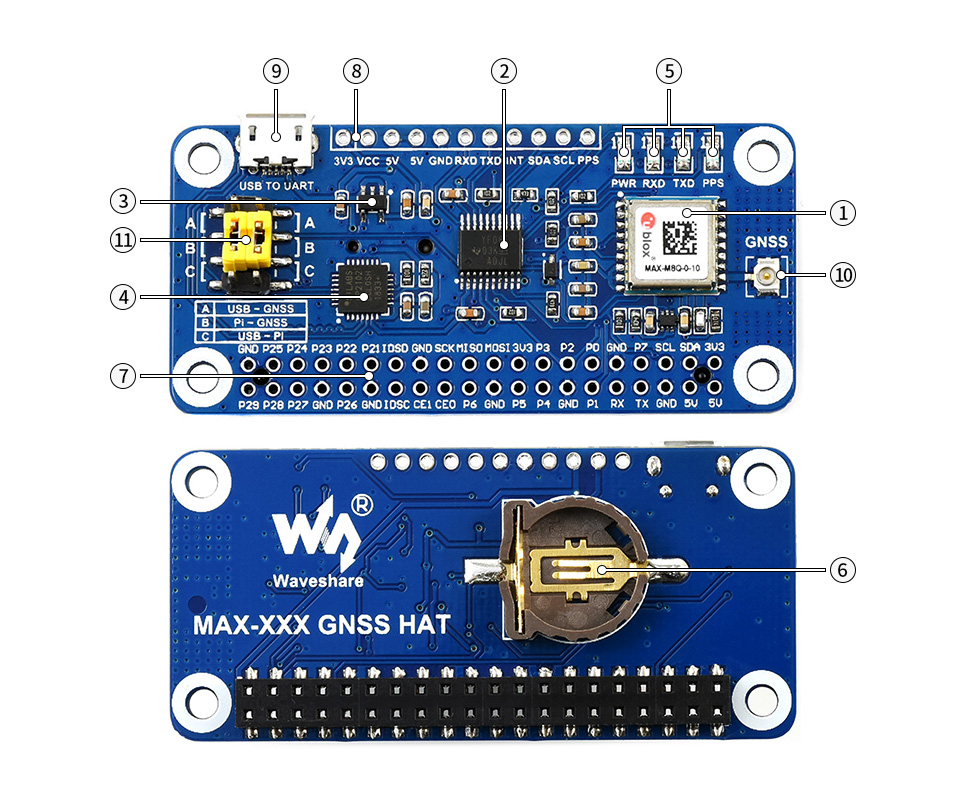
Ā 

What's On Board

  1. MAX-M8Q module
  2. TXS0108EPWR voltage translator
  3. RT9193-33 power chip
  4. CP2102 USB TO UART converter
  5. Status indicators
    RXD/TXD: UART TX/RX indicator
    PPS: GPS status indicator
    PWR: power indicator
  6. Battery holder
    supports ML1220 rechargeable cell, for preserving ephemeris information and hot starts
  7. Raspberry Pi GPIO header
    for connecting with Raspberry Pi
  8. UART, I2C interface
    for connecting with other MCUs
  9. USB TO UART port
  10. GNSS antenna connector
  11. UART selection jumper
    A: control the MAX-M8Q through USB TO UART
    B: control the MAX-M8Q through Raspberry Pi
    C: access Raspberry Pi through USB TO UART

Ā 

Pinout Definition

Ā 

Dimensions

Ā 

Resources

WIKI: www.waveshare.com/wiki/MAX-M8Q_GNSS_HAT

Ā 

Package Contents:

Weight: 0.132 kg

  1. MAX-M8Q GNSS HAT x1
  2. GPS External Antenna (B)Ā x1
  3. USB-A to Micro-B cable x1
  4. RPi screws pack (2pcs) x1
  5. 2x20PIN female header x1
12345
FAQ
How do I install and connect this GNSS HAT with a Raspberry Pi?
Attach the HAT to the Raspberry Pi 40 pin GPIO header. It supports UART and I2C interfaces and includes a CP2102 USB to UART converter for debugging. Use the A, B, or C jumper to select whether you control via USB TO UART, via Raspberry Pi, or access Raspberry Pi via USB TO UART.
Which GNSS constellations are supported and can they be used together?
The module supports multi constellation reception with concurrent reception of up to 3 GNSS types from GPS, Beidou, Galileo and GLONASS. Augment systems such as SBAS, QZSS, IMES and D GPS are also supported.
What interfaces and power requirements should I expect?
The device uses UART and I2C interfaces with a 5V supply and total current under 40 mA at 5V. UART baud rates range from 4800 to 921600 bps (9600 by default) and I2C up to 400 kHz. It includes a USB to UART converter for debugging and a battery holder for ephemeris storage.
What is the performance like in terms of sensitivity and update rate?
The unit features high sensitivity down to around -167 dBm for tracking and navigation and supports an update rate up to 18 Hz. It provides strong anti spoofing and anti jamming capabilities and uses PPS timing with nanosecond scale accuracy.
What is included in the package and is it compatible with other boards?
Package contents include the MAX-M8Q GNSS HAT, a GPS external antenna, USB A to Micro B cable, Raspberry Pi screws pack, and 2x20 pin header. It is compatible with Raspberry Pi series boards and Jetson Nano, and comes with development resources and a manual.
Reviews
Forum
Add Post

For more discussion Click Here

Similar Products
Bulk Order

Fill out the form below and our team will get back to you with bulk pricing.

Custom Requirements?

Meet with our team