Best seller

Waveshare

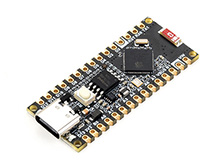
ESP32-S3-Nano based on ESP32-S3R8

SKU: WVSH0296

₹ 1,199.99

Out of stock

šŸ“¦ Min order 1
Chat with us on WhatsApp We reply quickly! Contact Us
ā± This is a pre-order item. We'll ship it as soon as it's back in stock.
ESP32-S3-Nano based on ESP32-S3R8₹ 1,199.99
Ask AI about this product

ESP32-S3-Nano Development Board

Enhanced Version Of Arduino Nano ESP32

Based On ESP32-S3R8, Compatible With Arduino Nano ESP32
Ā Ā 

Board Specifications

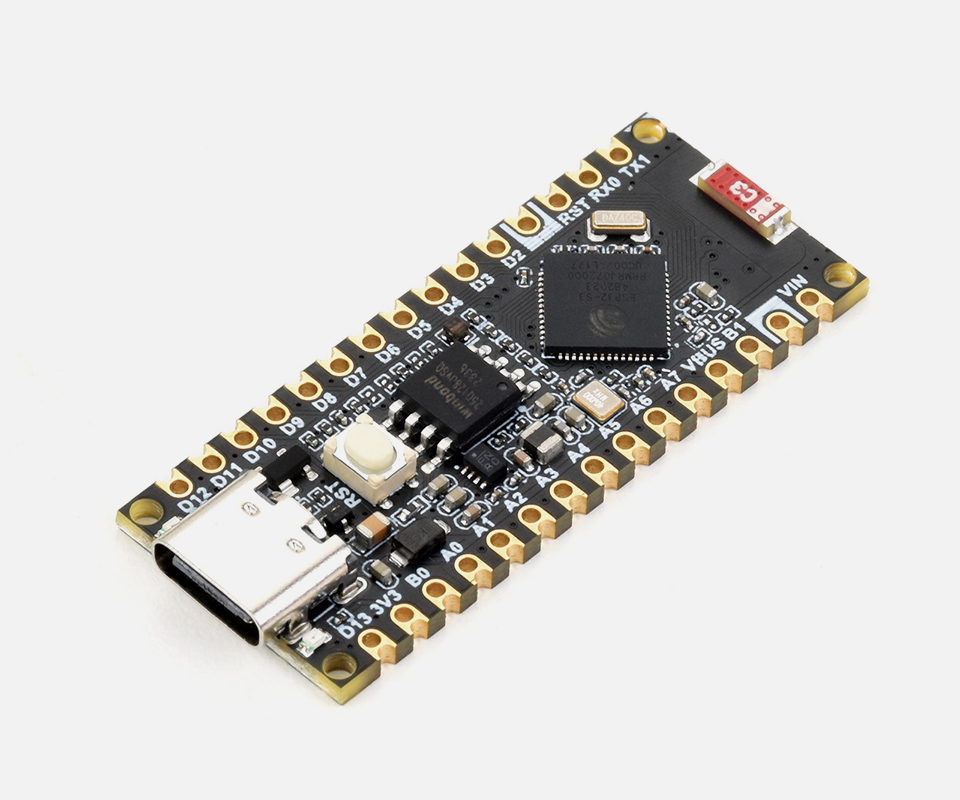
TheĀ ESP32-S3-NanoĀ adoptsĀ ESP32-S3R8Ā chip and is compatible with Arduino Nano ESP32. It is compact in size and powerful, suitable for applications such as IoT and MicroPython, and easy to integrate into your projects.Ā Ā 

  • Adopts ESP32-S3R8 chip with XtensaĀ® 32-bit LX7 dual-core processor, capable of running at 240 MHz
  • Integrated 512KB SRAM, 384KB ROM, 8MB PSRAM, 16MB Flash memory
  • Integrated 2.4GHz Wi-Fi and Bluetooth LE dual-mode wireless communication, with superior RF performance
  • Supports seamlessly switching between Arduino and MicroPython programming, more flexible usage
  • Compatible with Arduino IoT Cloud, allows monitoring and controlling your project from anywhere by using the Arduino IoT Cloud app
  • Supports HID, emulating Human Interface Devices such as keyboards or mice via USB port for easier interaction with PC


Ā 

Product Parameters Comparison

MODEL
R7FA4 PLUS A

R7FA4 PLUS B

ESP32-S3-NANO
MICROCONTROLLER R7FA4 (32-bit ARM Cortex-M4) R7FA4 (32-bit ARM Cortex-M4) ESP32-S3R8 (Dual-core 32-bit Xtensa LX7)
ESP32-S3FN8 (Dual-core 32-bit Xtensa LX7)
CLOCK FREQUENCY R7FA4: 48MHz R7FA4: 48MHz ESP32-S3R8: 240MHz
ESP32-S3FN8: 240MHz
STORAGE R7FA4: 256kB Flash, 32kB RAM R7FA4: 256kB Flash, 32kB RAM ESP32-S3R8: 384kB ROM, 512kB RAM, 16MB Flash, 8MB PSRAM
ESP32-S3FN8: 384kB ROM, 512kB RAM, 8MB Flash
WIRELESS COMMUNICATION None 2.4GHz WiFi + Bluetooth LE
OPERATING VOLTAGE Options for 5V/3.3V, support more shields 3.3V
POWER INPUT 6~24V 6~21V
RESET BUTTON Lateral, easier to use when connecting with shield Vertical
IO PIN OUTPUT CURRENT 8mA 40mA
DIGITAL PINS 14 14
ANALOG PINS 6 8
DAC 2 None
PWM 6 5
UART 1 2
I2C 1 1
SPI 1 1
CAN 1 None
DC JACK Low profile, shields won't be blocked anymore while connecting None
POWER OUTPUT HEADER Provides 5V OR 3.3V power output and common-grounding with other boards None
5V POWER OUTPUT Up to 2000mA Max, features higher driving capability 1000mA Max
EXPERIMENTAL BOARD Support, solder pad is provided for DIY interfaces to connect with experimental board Support


Ā 

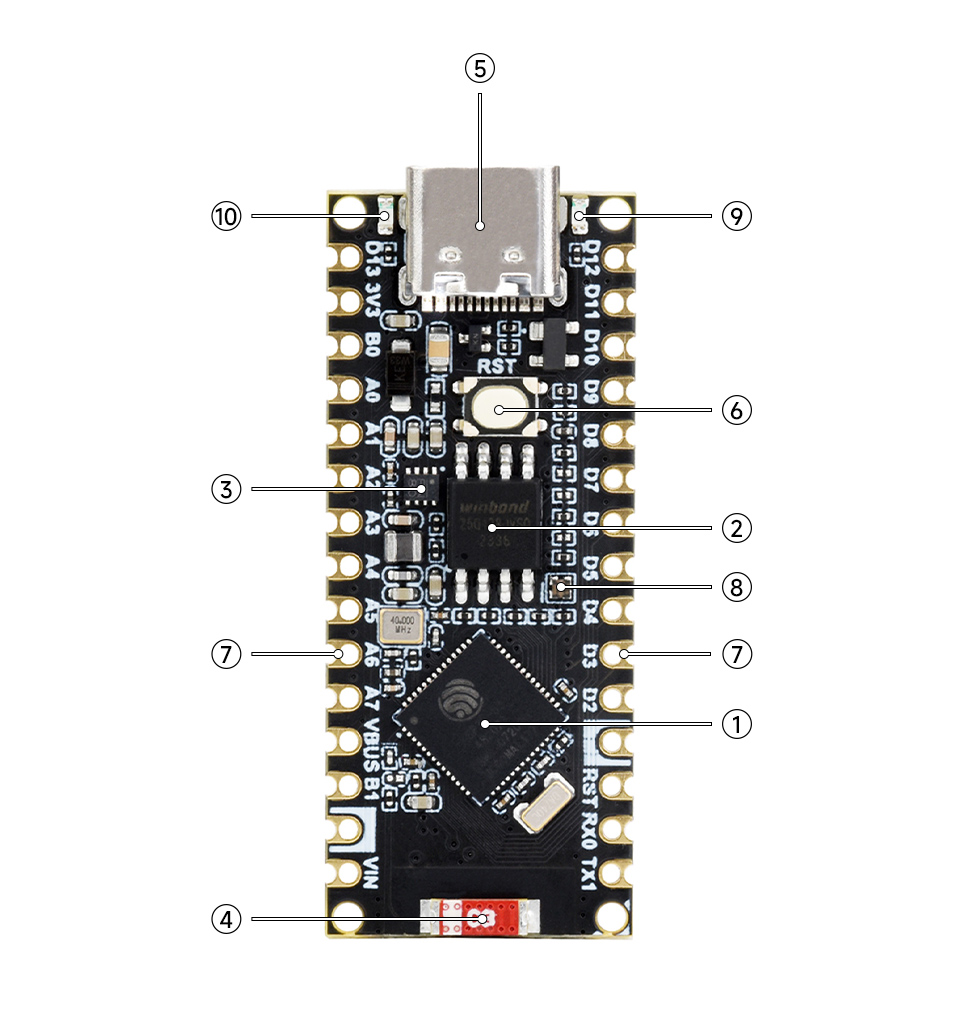
What's On Board

  1. ESP32-S3R8 dual-core processor
    up to 240 MHz running frequency
  2. W25Q128JVSIQ
    16MB Flash, for program and data storage
  3. MP2322GQH
    3.3V voltage regulator
  4. 2.4G ceramic antenna
  5. USB Type-C connector
    for downloading program and serial port debugging
  6. RST button
    for resetting ESP32-S3R8
  7. Arduino Nano interface
    compatible with Arduino interface, adapting 2.54 pitch solder pad, can be directly connected to experimental board
  8. RGB indicator
    blinks and then turns off during power on or reset, supports programmable control after the board has booted up normally
  9. Power indicator
  10. User LED


Ā 

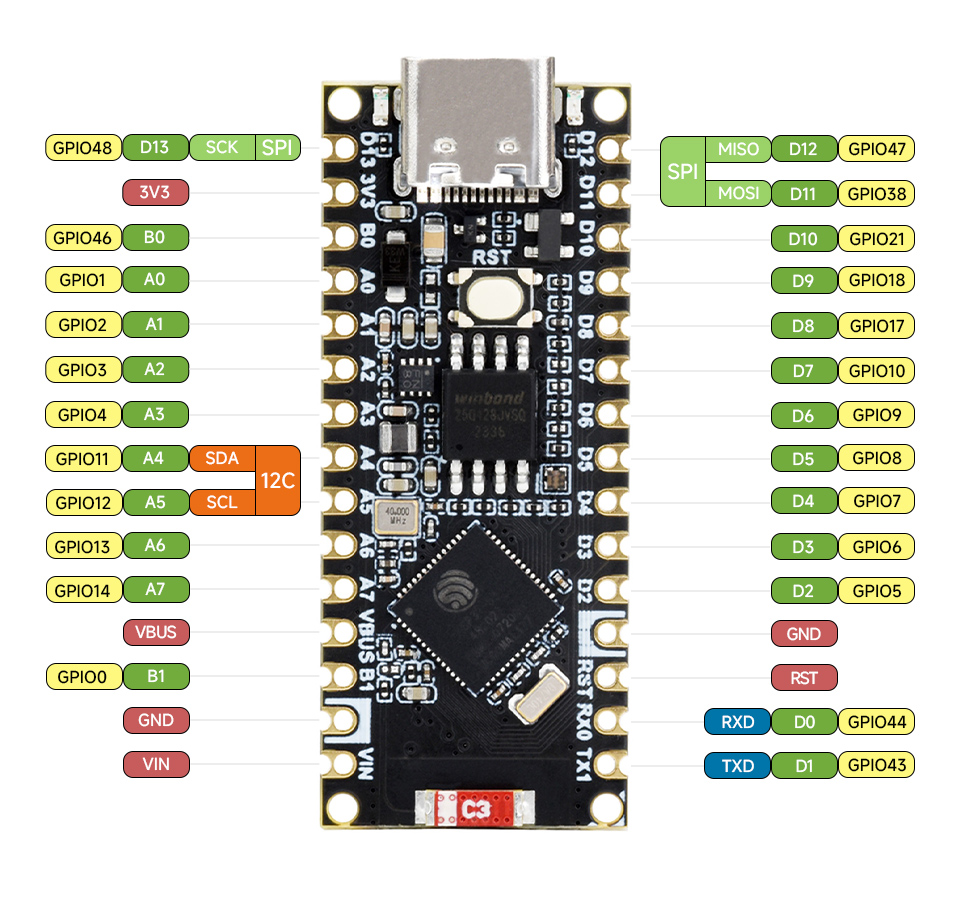
Pinout Definition


Ā 

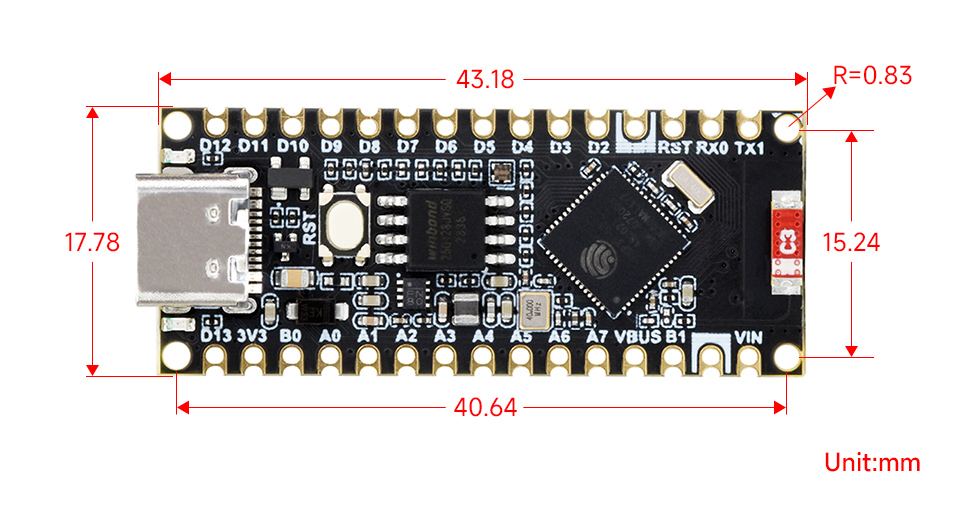
Outline Dimensions


Resources


Ā 

Packing List

Weight:Ā 0.007 kg

  1. ESP32-S3-Nano x1
  2. 40PIN male pinheader(black) x2
1ESP32-S3-NanoĀ  2
Is this board compatible with the Arduino Nano ESP32 ecosystem?
Yes. It is compatible with Arduino Nano ESP32 and supports switching between Arduino and MicroPython programming.
What wireless technologies are supported on this board?
It provides 2.4 GHz WiFi and Bluetooth LE dual mode wireless communication.
What are the main hardware specifications of the ESP32-S3-Nano?
It uses the ESP32-S3R8 dual core Xtensa LX7 up to 240 MHz, with 512 KB SRAM, 384 KB ROM, 16 MB Flash and 8 MB PSRAM.
Can I use Arduino IoT Cloud with this board?
Yes, it is compatible with Arduino IoT Cloud for monitoring and controlling your project from anywhere.
What are the key interface features and power options?
The board uses a USB Type-C port for programming and debugging, supports a Arduino Nano interface with 2.54 pitch pads, has a reset button and RGB indicator, and can provide 5V or 3.3V power output.
Welcome to the discussion thread for ESP32-S3-Nano based on ESP32-S3R8
Feel free to ask questions, share tips or report issues.
Add Post

For more discussion Click Here

Fill out the form below and our team will get back to you with bulk pricing.

Description
Ask AI about this product

ESP32-S3-Nano Development Board

Enhanced Version Of Arduino Nano ESP32

Based On ESP32-S3R8, Compatible With Arduino Nano ESP32

Ā Ā 

Board Specifications

TheĀ ESP32-S3-NanoĀ adoptsĀ ESP32-S3R8Ā chip and is compatible with Arduino Nano ESP32. It is compact in size and powerful, suitable for applications such as IoT and MicroPython, and easy to integrate into your projects.Ā Ā 

  • Adopts ESP32-S3R8 chip with XtensaĀ® 32-bit LX7 dual-core processor, capable of running at 240 MHz
  • Integrated 512KB SRAM, 384KB ROM, 8MB PSRAM, 16MB Flash memory
  • Integrated 2.4GHz Wi-Fi and Bluetooth LE dual-mode wireless communication, with superior RF performance
  • Supports seamlessly switching between Arduino and MicroPython programming, more flexible usage
  • Compatible with Arduino IoT Cloud, allows monitoring and controlling your project from anywhere by using the Arduino IoT Cloud app
  • Supports HID, emulating Human Interface Devices such as keyboards or mice via USB port for easier interaction with PC


Ā 

Product Parameters Comparison

MODEL
R7FA4 PLUS A

R7FA4 PLUS B

ESP32-S3-NANO
MICROCONTROLLER R7FA4 (32-bit ARM Cortex-M4) R7FA4 (32-bit ARM Cortex-M4) ESP32-S3R8 (Dual-core 32-bit Xtensa LX7)
ESP32-S3FN8 (Dual-core 32-bit Xtensa LX7)
CLOCK FREQUENCY R7FA4: 48MHz R7FA4: 48MHz ESP32-S3R8: 240MHz
ESP32-S3FN8: 240MHz
STORAGE R7FA4: 256kB Flash, 32kB RAM R7FA4: 256kB Flash, 32kB RAM ESP32-S3R8: 384kB ROM, 512kB RAM, 16MB Flash, 8MB PSRAM
ESP32-S3FN8: 384kB ROM, 512kB RAM, 8MB Flash
WIRELESS COMMUNICATION None 2.4GHz WiFi + Bluetooth LE
OPERATING VOLTAGE Options for 5V/3.3V, support more shields 3.3V
POWER INPUT 6~24V 6~21V
RESET BUTTON Lateral, easier to use when connecting with shield Vertical
IO PIN OUTPUT CURRENT 8mA 40mA
DIGITAL PINS 14 14
ANALOG PINS 6 8
DAC 2 None
PWM 6 5
UART 1 2
I2C 1 1
SPI 1 1
CAN 1 None
DC JACK Low profile, shields won't be blocked anymore while connecting None
POWER OUTPUT HEADER Provides 5V OR 3.3V power output and common-grounding with other boards None
5V POWER OUTPUT Up to 2000mA Max, features higher driving capability 1000mA Max
EXPERIMENTAL BOARD Support, solder pad is provided for DIY interfaces to connect with experimental board Support


Ā 

What's On Board

  1. ESP32-S3R8 dual-core processor
    up to 240 MHz running frequency
  2. W25Q128JVSIQ
    16MB Flash, for program and data storage
  3. MP2322GQH
    3.3V voltage regulator
  4. 2.4G ceramic antenna
  5. USB Type-C connector
    for downloading program and serial port debugging
  6. RST button
    for resetting ESP32-S3R8
  7. Arduino Nano interface
    compatible with Arduino interface, adapting 2.54 pitch solder pad, can be directly connected to experimental board
  8. RGB indicator
    blinks and then turns off during power on or reset, supports programmable control after the board has booted up normally
  9. Power indicator
  10. User LED


Ā 

Pinout Definition


Ā 

Outline Dimensions


Resources


Ā 

Packing List

Weight:Ā 0.007 kg

  1. ESP32-S3-Nano x1
  2. 40PIN male pinheader(black) x2
1ESP32-S3-NanoĀ  2
FAQ
Is this board compatible with the Arduino Nano ESP32 ecosystem?
Yes. It is compatible with Arduino Nano ESP32 and supports switching between Arduino and MicroPython programming.
What wireless technologies are supported on this board?
It provides 2.4 GHz WiFi and Bluetooth LE dual mode wireless communication.
What are the main hardware specifications of the ESP32-S3-Nano?
It uses the ESP32-S3R8 dual core Xtensa LX7 up to 240 MHz, with 512 KB SRAM, 384 KB ROM, 16 MB Flash and 8 MB PSRAM.
Can I use Arduino IoT Cloud with this board?
Yes, it is compatible with Arduino IoT Cloud for monitoring and controlling your project from anywhere.
What are the key interface features and power options?
The board uses a USB Type-C port for programming and debugging, supports a Arduino Nano interface with 2.54 pitch pads, has a reset button and RGB indicator, and can provide 5V or 3.3V power output.
Reviews
Forum
Welcome to the discussion thread for ESP32-S3-Nano based on ESP32-S3R8
Feel free to ask questions, share tips or report issues.
Add Post

For more discussion Click Here

Similar Products
Bulk Order

Fill out the form below and our team will get back to you with bulk pricing.

Custom Requirements?

Meet with our team